If you’ve ever wished for a laptop that’s all interface and no internals—a shell without a computer inside—Elecrow’s latest hardware might be exactly what you’re after.
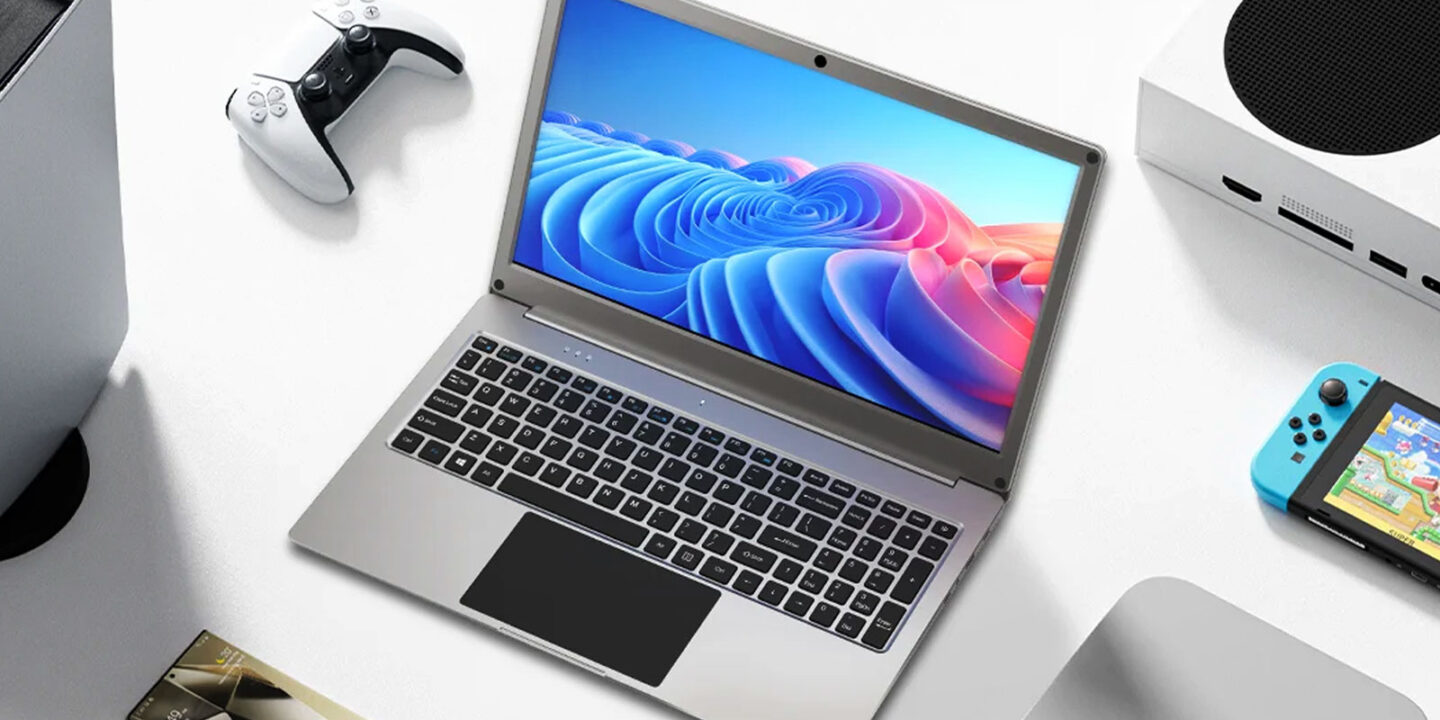
The company has introduced the CrowView Note 15.6, an updated take on its unusual “monitor-in-a-laptop-body” concept. It looks like a notebook and behaves like one in many ways, featuring a display, keyboard, trackpad, speakers, microphone, built-in battery, and a selection of ports. What it deliberately lacks is any computing hardware of its own.
There’s no processor, memory, or storage here. Instead, the CrowView Note relies entirely on whatever you plug into it—whether that’s a phone, tablet, PC, game console, or single-board computer.
A Familiar Idea, with Maker Roots
Elecrow may not be a household name, but it’s well known among makers, educators, and Raspberry Pi enthusiasts. Its catalog is packed with electronics aimed at DIY projects, SBC users, and STEM learning.
That background shows in the CrowView ecosystem. Optional bridge boards allow devices like the Raspberry Pi 4 to slot neatly into the side of the unit, avoiding messy cable setups and drawing power directly from the Note’s internal battery.
The usefulness doesn’t stop there. With USB-C (video-capable) and mini-HDMI inputs, the CrowView Note can handle nearly any modern device. You can even connect two sources at once and switch between them using a function key.
Learning from the First Generation
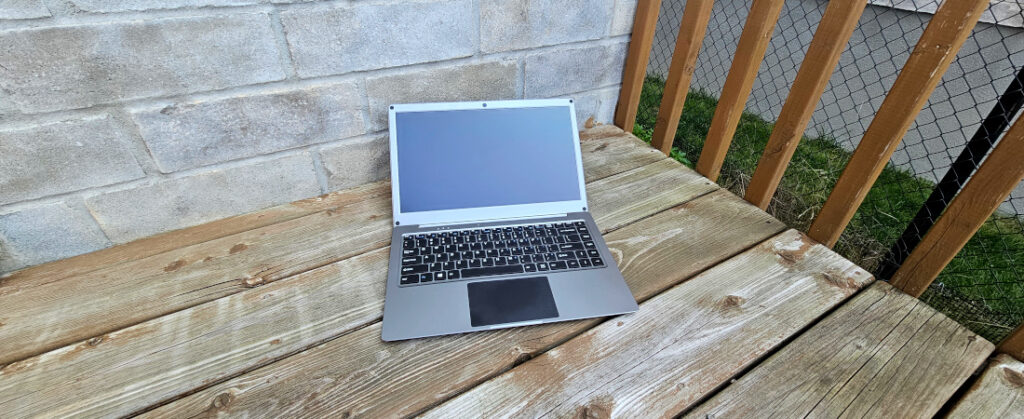
I spent time with the earlier CrowView Note 14 and found it surprisingly practical for the price. It offered more flexibility than a standard portable monitor, and I ended up using it regularly.
That said, the original model wasn’t perfect. Charging relied on a DC barrel connector, the keyboard felt soft and imprecise, checking battery status was awkward, and the 14-inch display felt cramped for some use cases.
The new 15.6-inch version aims to smooth over at least some of those rough edges.
What’s Improved in the CrowView Note 15.6
The most obvious upgrade is right in the name: the display grows to 15.6 inches. Resolution and panel characteristics remain unchanged—100% sRGB coverage, up to 60Hz refresh rate, and around 300 nits of brightness. The screen still folds completely flat, which is useful for presentations or shared viewing.
While it would have been nice to see higher refresh rates or brightness, the CrowView isn’t meant to replace a primary laptop, and cost constraints clearly play a role.
The larger chassis also allows for a full 101-key keyboard, though the layout—especially the space bar placement—may take some getting used to.
The most welcome change, however, is charging. The old barrel connector is gone, replaced with USB-C Power Delivery (45W). That alone removes one of the biggest complaints about the original model and means fewer proprietary chargers in your bag.
Connectivity and Device Support
Much of the connectivity remains familiar. A fully featured USB-C port handles video, data, and power, making it easy to connect a phone or tablet with a single cable and even charge it from the CrowView’s battery.
If you’re using HDMI for video, a USB-A connection allows the keyboard and trackpad to function with your connected device. With that cable in place, the Note can also act as a basic USB hub for additional peripherals.
Elecrow also claims expanded support for single-board computers. Beyond Raspberry Pi and Jetson Nano, the 15.6 model works with Rock Pi, Orange Pi 4B, LattePanda, and BeagleBone. Unlike the Pi, these rely on standard cabling rather than custom bridge boards, so the setup is less tidy.
Pricing and Who It’s For
The CrowView Note 15.6 sells for around $169. You can find portable monitors at this size for far less, but they don’t include a battery, keyboard, touchpad, speakers, or the same level of flexibility.
Materials are clearly budget-oriented—plastic rather than premium—but that’s expected at this price point.
While I haven’t personally tested the new keyboard, the larger screen, USB-C charging, and broader SBC compatibility address the main criticisms of the first model. For hobbyists, educators, and anyone working heavily with single-board computers or mobile devices, the CrowView Note remains a uniquely practical tool: cheaper than even the most basic laptop, and far more capable than a standard portable display.